5 Causes of Low Water Pressure in Your Home
Low water pressure is more than just a minor annoyance; it can significantly disrupt your daily life, turning simple tasks like showering into a frustrating trickle and making household chores take far longer than they should. If you’re contending with this problem in your Hernando residence, understanding the potential culprits is the essential first step toward finding an effective solution. At Hometown HVACR, your trusted local plumbing experts, we’ve diagnosed and resolved countless water pressure issues, and we’re here to share some common reasons behind this pesky problem. Here are five frequent causes of low water pressure we encounter:
1. Clogged or Corroded Pipes
Over many years of service, the pipes that carry water throughout your home can begin to accumulate significant internal buildup. This is often in the form of mineral deposits, commonly referred to as scale, which is particularly prevalent in areas supplied with hard water. These minerals, like calcium and magnesium, gradually precipitate out of the water and adhere to the inner surfaces of the pipes. Simultaneously, if your home has older galvanized steel pipes, rust and corrosion can develop from the inside out. This corrosive process not only sheds particles that contribute to blockages but also roughens the pipe’s interior, further impeding smooth water flow and creating a narrowing effect that acts like a choke-point for your water supply.

As these deposits of scale and corrosion accumulate and solidify, the internal diameter of your pipes progressively shrinks. This restriction means less water can pass through at any given moment, directly resulting in a noticeable and often worsening drop in water pressure at your faucets and showerheads. Beyond just low pressure, you might also observe discolored water, particularly when first turning on a tap, or even an unusual taste. If left unaddressed, severe clogs can lead to pipe bursts due to increased localized pressure behind the blockage, or eventually necessitate a complete and costly re-piping of affected sections or even the entire home to restore adequate water flow and prevent further damage.
2. Failing Pressure Regulator
Many homes in the Hernando area and beyond are fitted with a crucial device known as a water pressure regulator, or PRV (Pressure Reducing Valve). This bell-shaped component is typically installed on the main water line shortly after it enters your home, often near the main shut-off valve. Its primary function is to take the high-pressure water supplied by the municipal system – which can often exceed 100 psi – and reduce it to a safe and manageable level for your home’s internal plumbing system and appliances, usually around 45-60 psi. This protection is vital because excessively high pressure can strain your pipes, fixtures, and appliance connections, leading to leaks, burst hoses, and premature failure of washing machines, dishwashers, and water heaters.
Like any mechanical device, water pressure regulators have a finite lifespan and can begin to malfunction or fail over time, typically after 10 to 15 years, though sometimes sooner. Failure can manifest in several ways: the regulator might get stuck in a partially closed position, severely restricting incoming water flow and causing consistently low pressure throughout the house. Conversely, it could fail in an open position, leading to dangerously high pressure, or it might operate erratically, causing pressure to fluctuate wildly. Symptoms of a failing PRV, beyond just consistently low pressure, can include a hammering noise in the pipes (water hammer), a sudden surge when a faucet is turned on, or water that sputters. Diagnosing a faulty regulator requires professional assessment, as these symptoms can sometimes mimic other plumbing problems.
3. Hidden (or Obvious) Water Leaks
A leak anywhere within your plumbing infrastructure means that a portion of your water supply is escaping before it can reach your taps and appliances, which can directly translate to a reduction in available water pressure. While a gushing pipe under a sink is an obvious culprit, even small, insidious leaks hidden from view – such as those within walls, beneath your home’s slab foundation, or in the underground service line running from the street to your house – can divert a substantial volume of water over time. These hidden leaks are particularly problematic because they often go undetected for extended periods, steadily worsening and contributing to a gradual or sometimes sudden drop in water pressure that might leave you puzzled.
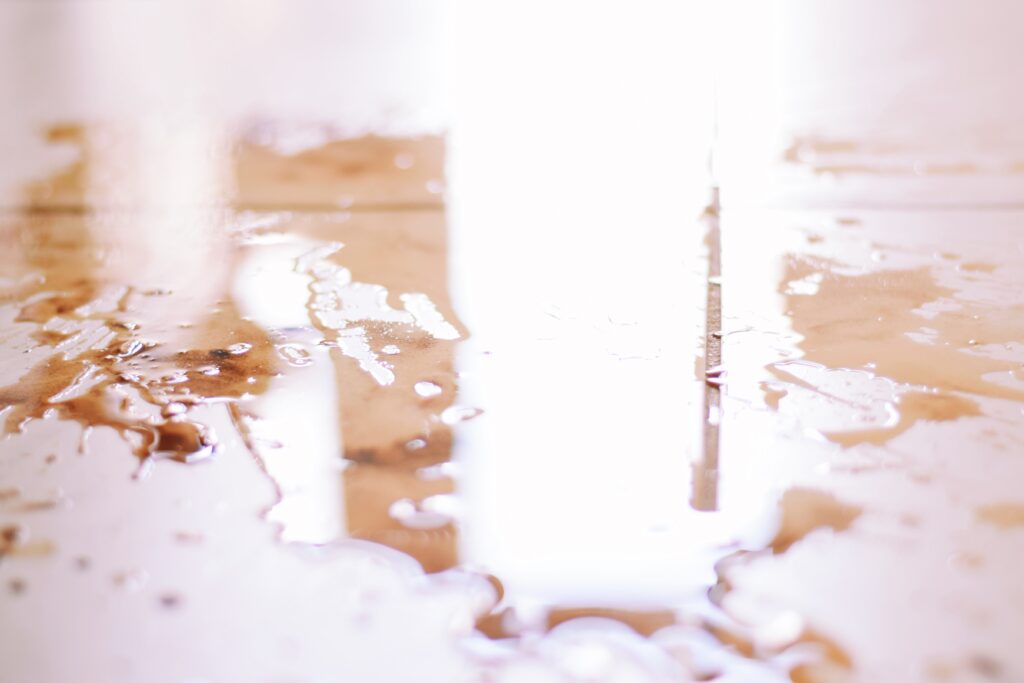
The implications of water leaks extend far beyond just the inconvenience of low pressure and the wasted water reflected in higher utility bills. Unaddressed leaks, especially those concealed within your home’s structure, can lead to severe and costly secondary problems. Persistent moisture can saturate building materials, promoting the growth of mold and mildew, which can have health implications and are expensive to remediate. Furthermore, water can damage drywall, warp wooden framing, compromise your home’s foundation, and attract pests. Therefore, if you suspect a leak due to unexplained low pressure, a persistently running water meter, or damp spots, it’s crucial to seek professional leak detection services promptly to pinpoint the source and undertake repairs, thereby preventing further damage and restoring your water pressure.
4. Issues with the Municipal Water Supply
Occasionally, the root cause of your low water pressure doesn’t originate from within your property’s plumbing system but rather from the broader municipal water supply network that serves your Hernando neighborhood. The city’s water infrastructure is complex and can be subject to various issues that temporarily or, in some cases, more persistently affect the water pressure delivered to homes and businesses. For instance, the local water department might be conducting planned maintenance on water mains, which can necessitate temporary shutdowns or pressure reductions in specific areas; typically, residents are notified in advance of such work. Alternatively, an unexpected water main break can cause a sudden and significant drop in pressure across a wide area until emergency repairs are completed.
Another factor can be periods of unusually high water demand within the community, such as on hot summer mornings when many residents are simultaneously watering their lawns or during firefighting efforts. A simple way to help determine if the issue is municipal is to quickly check with your immediate neighbors to see if they are experiencing similar problems with their water pressure. If multiple households are affected, it strongly suggests an issue with the city’s supply rather than an isolated problem in your home. In such cases, your primary recourse is to contact your local water utility provider for information and an estimated time for resolution. While Hometown HVACR can’t fix municipal issues, we can certainly help you confirm if your internal plumbing is in good order, ruling out causes on your side of the water meter.
5. Partially Closed Main Shut-Off Valve
Every home is equipped with a main water shut-off valve, which serves as the primary control point for all water entering your plumbing system. This valve is typically located where the main water pipe enters your house, which could be in a basement, crawl space, utility closet, or sometimes outside near the water meter. Similarly, there’s often another valve located directly at the water meter itself, sometimes referred to as the city valve or meter valve. The purpose of these valves is to allow you or a plumber to completely stop the water flow into your home for emergency situations or when plumbing repairs are needed.
It’s possible for one of these crucial valves to be inadvertently left in a partially closed position. This can happen following plumbing maintenance if the valve wasn’t fully reopened, or it could be accidentally bumped or tampered with, perhaps even by curious children. If either the main shut-off valve or the meter valve is not fully open, it physically constricts the pipe, effectively creating a bottleneck for your entire water supply. This restriction limits the total volume of water that can enter your home, leading to a noticeable decrease in water pressure at all fixtures, particularly when more than one tap or appliance is being used simultaneously. While checking these valves seems straightforward, if you’re unsure of their location or how to operate them, or if a valve seems stuck, it’s always best to consult a professional plumber to avoid potential damage.
What To Do About Low Water Pressure
If you find yourself suddenly dealing with the frustration of low water pressure, your first step should be to determine the scope of the problem. Is the low pressure affecting all the faucets and fixtures in your home, or is it isolated to a single tap, like a kitchen sink or a specific shower? If it’s just one fixture, the issue might be localized, such as a clogged aerator or a problem with that specific faucet’s cartridge, which can often be a simpler fix. However, if the low pressure is a whole-house phenomenon, it indicates a more systemic issue.

Diagnosing and safely rectifying most causes of widespread low water pressure – especially those involving potential pipe blockages, intricate pressure regulator malfunctions, or elusive water leaks – typically requires the specialized knowledge, tools, and experience of a qualified plumber. Attempting complex DIY repairs without proper understanding can inadvertently lead to more significant plumbing problems, potential water damage, and ultimately, more expensive repair bills. It’s always wiser to entrust such tasks to professionals who can accurately identify the root cause and implement a lasting solution.
Don’t let persistent low water pressure disrupt your daily comfort and routines! The skilled and experienced plumbing professionals at Hometown HVACR are fully equipped to accurately diagnose the precise cause of your low water pressure and provide effective, reliable solutions. We are proud to serve the residents of Hernando, MS, and the surrounding communities with top-quality plumbing services.