Heat Pump vs. Air Conditioner: A Technical Guide
When the time comes to install or replace the cooling system in a home here in Hernando, DeSoto County, or the surrounding Mississippi communities, homeowners are faced with a primary decision: selecting the right type of equipment for the job. The two main options for centralized cooling are the traditional central air conditioner and the modern high-efficiency heat pump. While both systems provide excellent, powerful cooling during our long, hot, and humid summers, they differ fundamentally in their year-round function, their method of providing heat, their overall energy efficiency, and their upfront cost.
This guide provides a straightforward technical comparison to help you understand the equipment you are investing in. We will examine how each system operates to cool your home, where their capabilities diverge, how their efficiency is measured, and the practical considerations for installation, maintenance, and long-term operating costs. The purpose of this article is to provide the necessary information so that you can make a sound, logical investment in your home’s comfort system. At Hometown HVAC, we believe a well-informed customer is best equipped to choose the right solution for their specific needs.
The Core Function: How Both Systems Cool Your Home
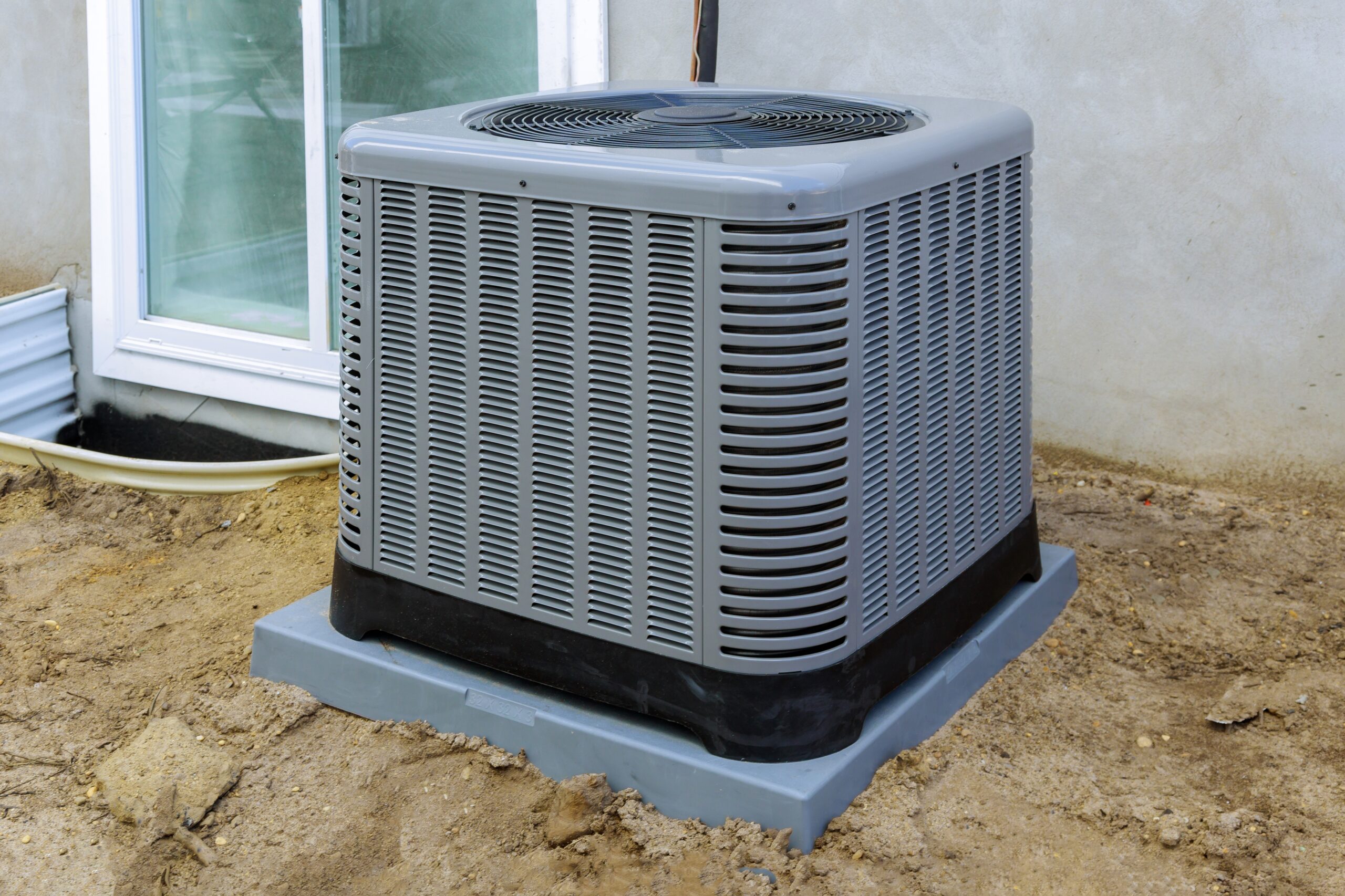
From a purely mechanical standpoint, a central air conditioner and a heat pump are identical in their cooling function. Both systems operate on the foundational principle of the refrigeration cycle. This is a continuous process of heat exchange designed to move thermal energy from inside your house to the outside. This cycle relies on a chemical refrigerant that flows through a closed loop of components connecting an indoor unit with an outdoor unit.
The operational sequence for cooling is the same for both systems. First, the blower fan in your indoor air handler pulls warm, humid air from your living spaces across a series of coils known as the evaporator coil. The cool, low-pressure liquid refrigerant inside this coil absorbs the heat from the air, which causes the refrigerant to boil and turn into a low-pressure gas. A critical secondary effect of this process is dehumidification; as the air cools, moisture condenses on the coil and is drained away, which is essential for comfort in our Mississippi climate. This low-pressure gas then travels through refrigerant lines to the outdoor unit.
Once outside, the gas enters the compressor, which is the heart of the system. The compressor pressurizes the gas, which dramatically increases its temperature. This now hot, high-pressure gas is pushed through the outdoor condenser coil. A large fan pulls ambient air across these coils, allowing the concentrated heat from the refrigerant to be released into the outdoor air. As it sheds its heat, the refrigerant condenses back into a high-pressure liquid. This liquid then flows back to the indoor unit through an expansion valve, where its pressure is lowered, it becomes very cold again, and the entire cycle repeats until your home reaches the temperature set on your thermostat. A central air conditioner is engineered exclusively for this one-way heat transfer. A heat pump, when in its cooling mode, executes this exact same process with the same power and effectiveness.
The Fundamental Difference: Year-Round Operation and the Reversing Valve
The defining technical difference between a heat pump and an air conditioner is a single, crucial component: the reversing valve. An air conditioner is a seasonal piece of equipment. It performs its cooling function during the summer and then sits idle during the winter while a completely separate heating system, such as a gas furnace or an electric air handler with heat strips, takes over. The air conditioner’s job is singular in its purpose.
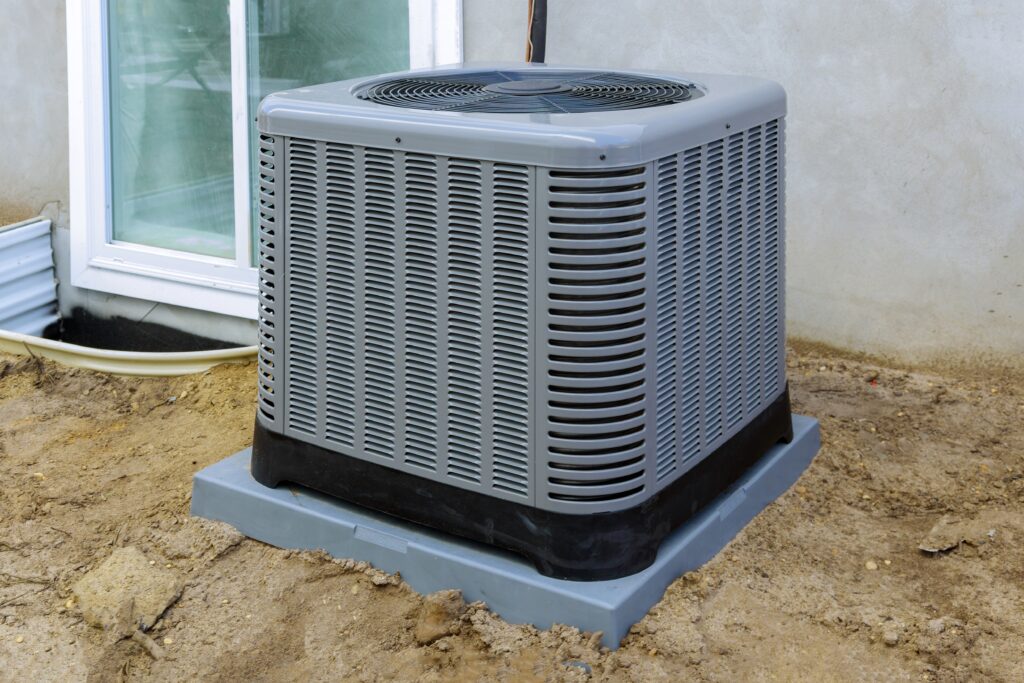


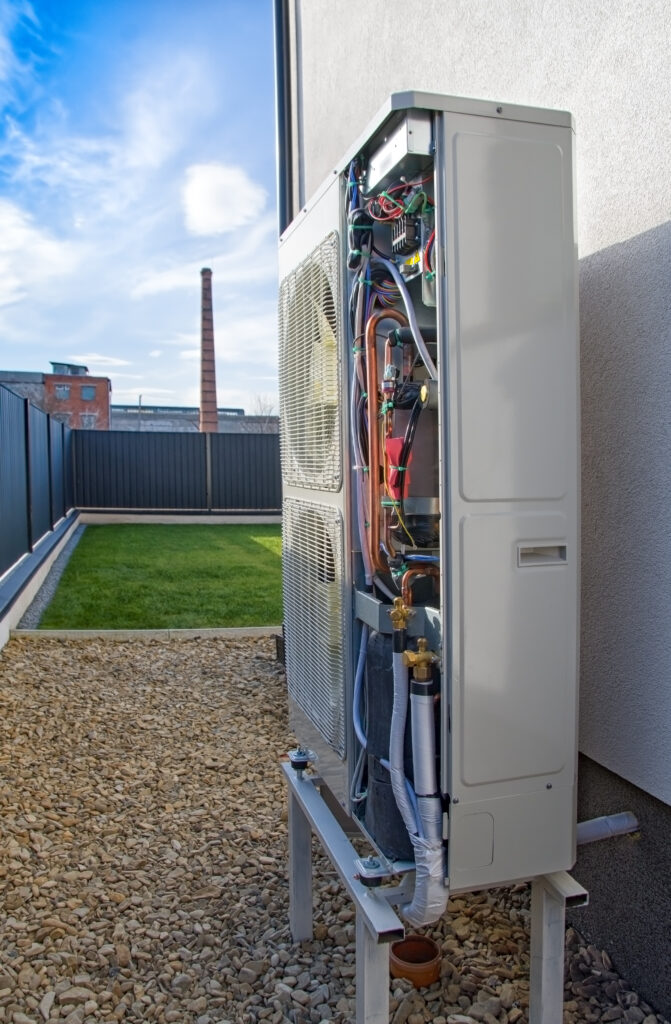
A heat pump, by contrast, is engineered for year-round operation. The reversing valve is a four-way valve that can change the direction of the refrigerant flow through the system. By engaging this valve, a heat pump literally reverses its function, switching from a cooling appliance to a heating appliance. The roles of the indoor and outdoor coils are swapped. The outdoor coil, which releases heat in the summer, now becomes the evaporator. It absorbs ambient heat energy that is present in the outside air. The indoor coil, which absorbs heat from your house in the summer, now becomes the condenser. It releases that absorbed heat into the air stream, which is then circulated throughout your home’s ductwork by your indoor air handler.
The primary advantage of this process is its incredible efficiency. A heat pump is not creating heat by burning a fossil fuel or energizing a high-resistance electric coil. It is simply moving existing heat from one place to another. This process of heat transfer requires far less electrical energy than conventional electric heating methods. For our climate here in Hernando and DeSoto County, this capability is extremely relevant. Our winters are relatively mild, with only a limited number of days that see temperatures drop significantly below freezing. These are the ideal operational conditions for modern heat pump technology. A heat pump can efficiently meet the heating demands of a Mississippi home for the vast majority of the winter, making it a powerful tool for controlling year-round energy costs.
A Deep Dive into Efficiency: SEER2, HSPF2, and Your Utility Bills
To accurately compare the long-term financial impact of these systems, you must understand their standardized efficiency ratings. For cooling performance, the critical metric for both systems is the SEER2 (Seasonal Energy Efficiency Ratio 2) rating. The SEER2 rating is a direct measure of how much cooling a system produces for each unit of electricity it consumes over a typical cooling season. A higher SEER2 number indicates a more efficient system. Upgrading from an older, less efficient unit with a low SEER rating to a modern system that meets or exceeds current federal minimums can result in substantial savings on your summer electricity bills.
For a heat pump, there is a second, equally important metric: the HSPF2 (Heating Seasonal Performance Factor 2) rating. This rating measures the unit’s heating efficiency over an entire winter season and is exclusive to heat pumps, as air conditioners do not provide heat. A higher HSPF2 rating means the unit uses less electricity to produce heat. Since heating is a significant portion of a home’s annual energy consumption, the HSPF2 rating is a critical factor when calculating the potential long-term savings of a heat pump system.
Given our regional climate, it is also important to understand the role of supplemental or backup heat. While a modern heat pump is highly effective in our mild winters, its ability to extract heat from the air diminishes as the outdoor temperature drops toward freezing. For this reason, all heat pump systems are paired with a secondary heat source. For many homes in the Hernando area, the most common and practical setup is an all-electric system. This consists of the heat pump paired with an indoor air handler that contains electric resistance heat strips. The heat pump provides highly efficient heating throughout most of the year. The supplemental electric heat strips are programmed by the thermostat to engage automatically only on those few coldest days when the heat pump cannot efficiently meet the home’s heating demand on its own.
An alternative configuration is a “dual fuel” system, which pairs an electric heat pump with a natural gas or propane furnace. In this setup, the heat pump provides all cooling and most of the heating. When the outdoor temperature drops below a specific set point, the system shuts off the heat pump and activates the gas furnace to provide powerful heating. This is an excellent option for homeowners who already have gas infrastructure and prefer the specific type of heat a furnace produces during the coldest weather, while still benefiting from the heat pump’s efficiency for the rest of the year.
When evaluating the two systems, it is necessary to compare their upfront installation costs. As a piece of equipment, a heat pump has a higher initial cost than a central air conditioner of the same size and efficiency tier. This is a direct result of it being a more complex machine, containing the additional reversing valve, sensors, and control board logic that enable its dual-function operation. However, this initial cost difference must be viewed in the context of available financial incentives.
The federal government, through measures like the Inflation Reduction Act, currently offers significant tax credits for the installation of new, high-efficiency heat pumps. As of 2025, these credits can cover a substantial portion of the equipment and installation cost, up to $2,000 annually for qualifying systems. These incentives are specifically designed to encourage the adoption of more efficient technology and are generally not available for standard central air conditioners. When these tax credits are factored in, the upfront cost difference between the two systems can be significantly reduced, and in some cases, a heat pump can become the more financially attractive option from day one.
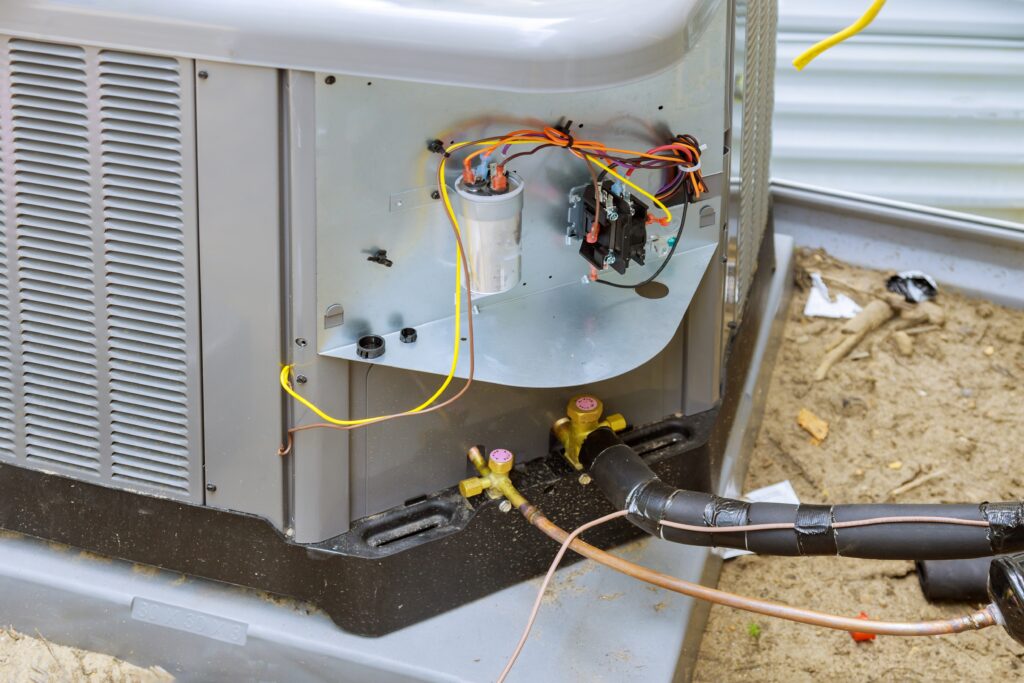

In terms of mechanical longevity, both a new air conditioner and a new heat pump should provide 12 to 15 years or more of reliable service. The key to achieving this lifespan is proper initial installation, correct system sizing, and consistent professional maintenance. While it is true that a heat pump operates for more hours throughout the year, these systems are engineered specifically for this year-round duty cycle. The most important factor for lifespan is not the type of unit, but the quality of its maintenance. Both systems require annual service from a qualified HVAC technician to ensure they operate safely, efficiently, and reliably. This service includes a thorough cleaning of the indoor and outdoor coils, a verification of the system’s refrigerant charge, testing of all electrical components like capacitors and contactors, and ensuring proper condensate drainage. For a heat pump, this annual service is even more critical, as it includes a full test of the heating cycle and the reversing valve to ensure it is prepared for the winter season.
Making the Right Choice for Your Hernando Home
The decision between an air conditioner and a heat pump is a practical one that should be based on a technical assessment of your current equipment, your budget, and your long-term goals for energy efficiency. A central air conditioner is often the most direct and logical choice for homeowners in a few specific situations. For example, if your home is already equipped with a newer, high-efficiency gas furnace that is performing reliably and has many years of service life remaining, replacing only the outdoor air conditioning unit makes sound financial sense. In this scenario, your objective is to install a dedicated cooling unit that can integrate with your existing heating system. This approach is also the most practical when the primary factor is minimizing the immediate, upfront installation cost, as the equipment for an air-conditioner-only system is less complex and therefore less expensive than a heat pump.
Conversely, a heat pump presents itself as the superior long-term investment under a different and very common set of circumstances. A heat pump is almost always the most logical choice when you are facing a complete replacement of your HVAC system; that is, both your air conditioner and an aging, inefficient furnace or electric air handler. By choosing to install a heat pump, you are investing in a single, integrated system that handles both heating and cooling with a level of efficiency that two separate, older systems often cannot match. This path is ideal if your primary goal is to maximize your home’s year-round energy performance and achieve the lowest possible annual utility bills. The availability of significant financial incentives, including federal tax credits, further strengthens the case for a heat pump, as these programs can dramatically offset the higher initial equipment cost. Finally, for any new home construction in the Hernando area, an all-electric heat pump system is one of the most efficient, forward-thinking, and valuable options available.
Ultimately, the choice between a central air conditioner and a heat pump is a choice between a dedicated, specialized cooling system and an integrated, all-in-one home comfort solution. For our climate here in Hernando and throughout DeSoto County, the year-round efficiency of a modern heat pump offers a compelling advantage and can lead to significant long-term savings on energy costs. However, the correct system for your home always depends on a number of factors, including the state of your current infrastructure, your budget, and your family’s comfort needs.
A proper decision cannot be made without a professional evaluation of your home, including a thorough load calculation to determine the correct equipment size and capacity. An improperly sized system, whether too large or too small, will fail to perform efficiently, struggle to control humidity, and will likely have a shortened lifespan. Contact Hometown HVAC today to schedule a comprehensive home assessment and a personalized, no-pressure consultation. Our expert team will analyze your specific situation, provide a clear explanation of your options with detailed pricing, and help you select the system that best meets your needs for performance, efficiency, and long-term value.