Tank vs. Tankless: Which Water Heater is Right for You?
Choosing a new water heater is a significant decision for any homeowner. It’s an appliance we rely on daily, and the right choice can impact your comfort, energy bills, and even your home’s layout. Here at Hometown HVAC and Refrigeration, we often get questions about the two main contenders: traditional tank water heaters and their modern counterpart, tankless water heaters. Both have their own set of advantages and disadvantages, and the best option for you depends on your specific needs and priorities.
Understanding Traditional Water Heaters
Traditional water heaters, also known as storage tank water heaters, are the familiar cylindrical tanks found in many basements, closets, or garages. The concept is straightforward: an insulated tank holds a specific volume of water (typically ranging from 20 to 80 gallons) and heats it to a preset temperature using either electricity or gas. When you turn on a hot water tap, hot water is drawn from the top of the tank, and cold water enters the bottom to be heated.
One of the primary advantages of traditional water heaters is their lower upfront cost. Both the unit itself and the installation are generally less expensive than tankless models. This can be a significant factor if you’re on a tighter budget or need a quick replacement. Furthermore, their operation is relatively simple, and most plumbers are very familiar with their installation and repair, which can sometimes translate to lower maintenance costs for common issues. They are also available in various fuel types, including electric, natural gas, and propane, offering flexibility depending on what’s available in your home.
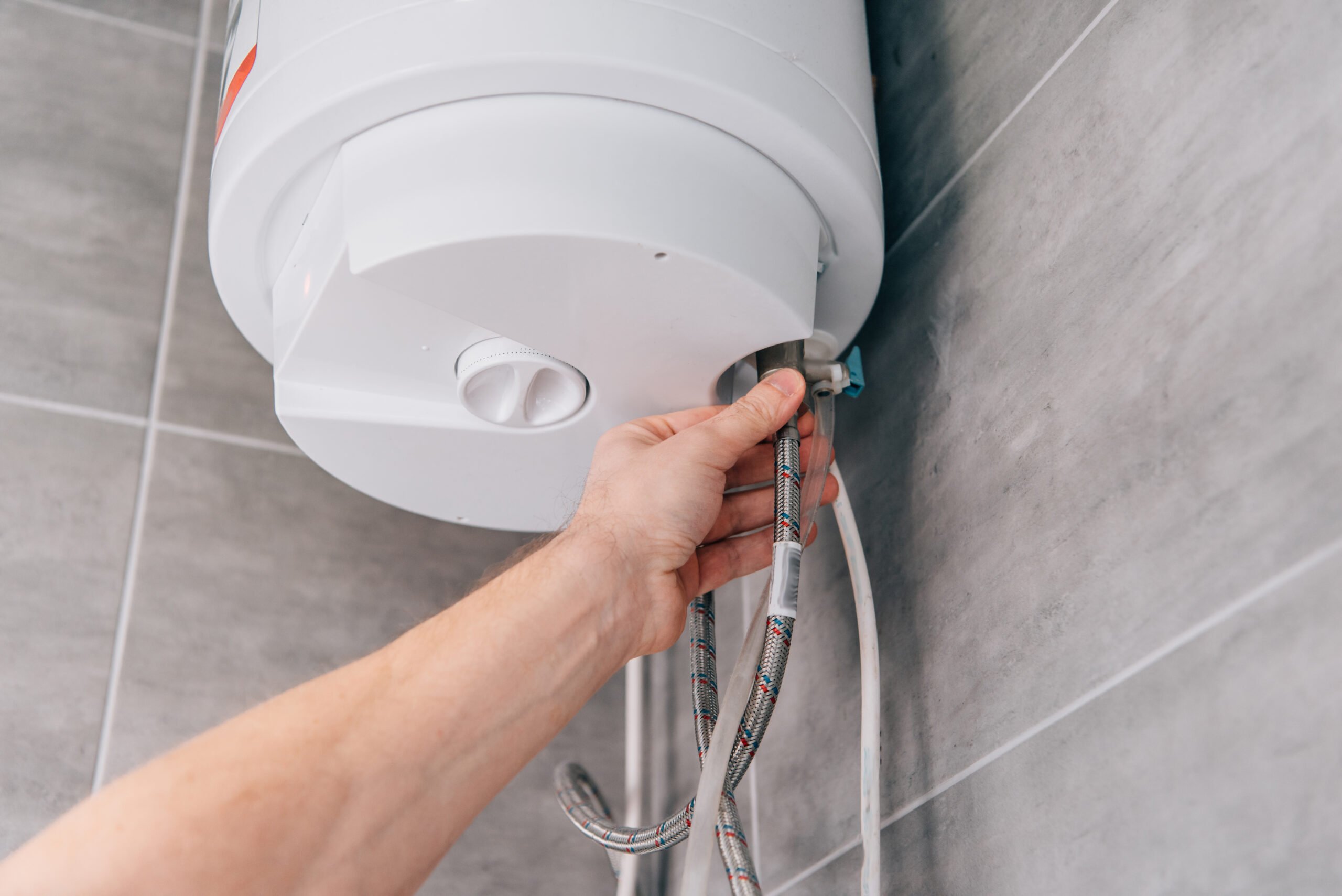

However, traditional water heaters are not without their drawbacks. A key consideration is “standby heat loss.” Because the tank is constantly working to keep a large volume of water hot, even when you’re not using it, energy is continuously consumed. This can lead to higher utility bills over time compared to more energy-efficient options. Another common issue is the finite supply of hot water. If you have a large family or multiple appliances using hot water simultaneously (like a shower running while the dishwasher is on), you might run out of hot water and have to wait for the tank to recover. Additionally, these units take up a considerable amount of space, which can be a concern in smaller homes or those with limited utility areas. Their typical lifespan is also shorter, generally around 10-15 years.
Exploring Tankless Water Heaters
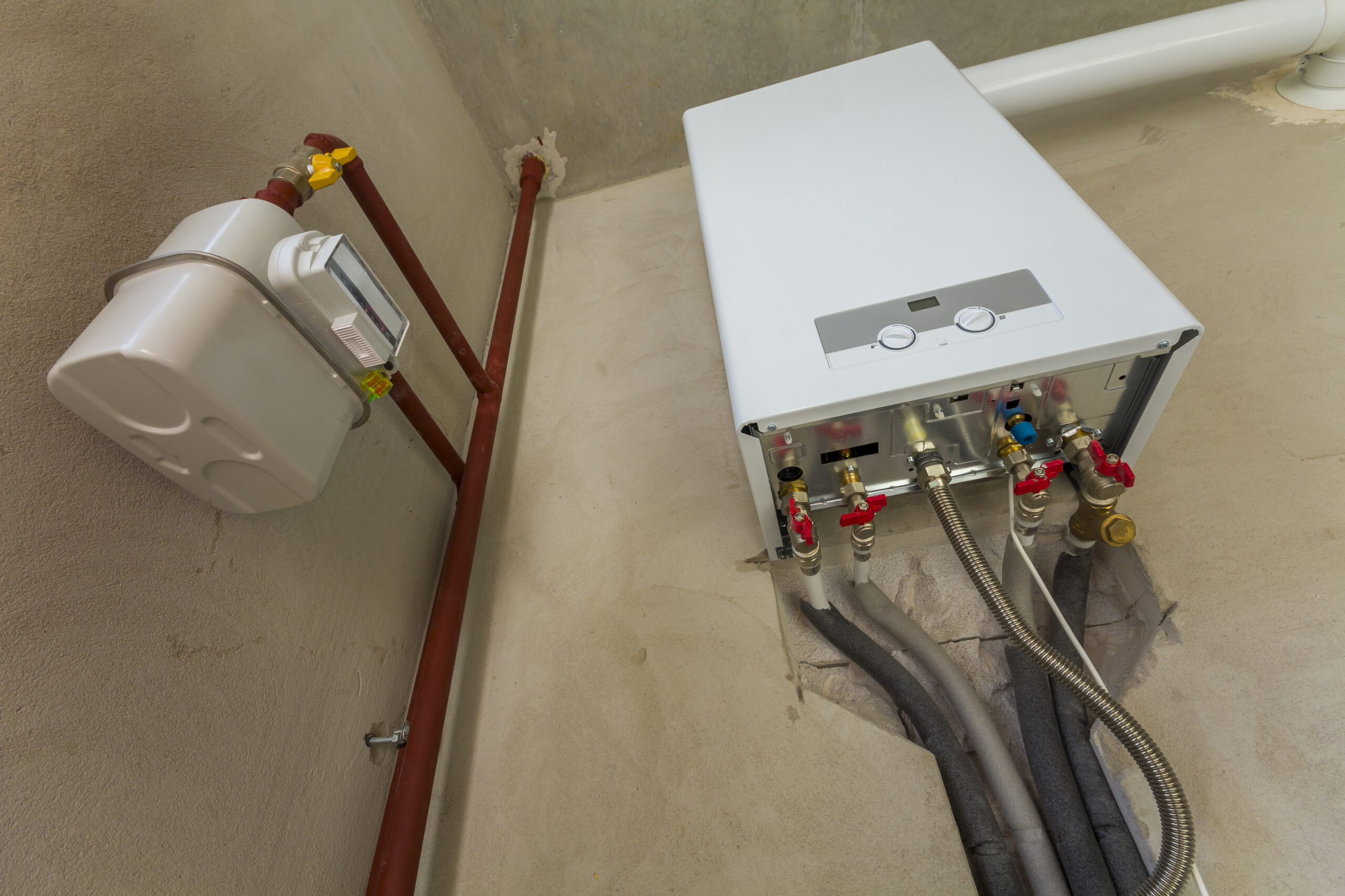
Tankless water heaters, often called on-demand or instantaneous water heaters, operate on a completely different principle. Instead of storing hot water, they heat water directly as it flows through the unit. When you turn on a hot water tap, cold water travels through a pipe into the unit, where a powerful gas burner or electric element heats the water instantaneously. This means you have access to hot water whenever you need it, for as long as you need it.
The most significant advantage of tankless water heaters is their energy efficiency. By only heating water when it’s demanded, they eliminate standby heat loss, which can result in noticeable savings on your energy bills – potentially 24% to 34% more energy-efficient for homes using 41 gallons or less of hot water daily, according to the Department of Energy. Another major plus is the continuous supply of hot water. You don’t have to worry about running out mid-shower or when multiple hot water sources are in use (though flow rate can be a factor). Tankless units are also much smaller and can be mounted on a wall, freeing up valuable floor space. They typically boast a longer lifespan as well, often lasting 20 years or more with proper maintenance.
On the flip side, the initial investment for a tankless water heater is generally higher than for a traditional model. The unit itself costs more, and installation can sometimes be more complex and expensive, potentially requiring upgrades to your home’s plumbing, electrical, or gas lines. While they provide continuous hot water, their output limits the flow rate. This means that if you have very high simultaneous hot water demands (e.g., multiple showers, laundry, and dishwasher all running at once), a single unit might struggle to keep up, though larger models or multiple units can address this. Tankless units, especially in areas with hard water, also require regular maintenance, such as annual descaling, to prevent mineral buildup and maintain efficiency and longevity.
Key Differences: Head-to-Head Comparison
To make the decision-making process a bit clearer, let’s directly compare traditional and tankless water heaters across several key categories:
Upfront Cost: Traditional tank heaters almost always have a lower initial purchase and installation cost. Tankless heaters represent a larger upfront investment.
Operating Cost & Energy Efficiency: Tankless heaters are the clear winners here. By eliminating standby heat loss, they consume less energy, leading to lower monthly utility bills. Traditional tanks constantly use energy to keep stored water hot.
Hot Water Availability: Tankless heaters provide a theoretically endless supply of hot water on demand. Traditional tanks are limited by their storage capacity and require recovery time once depleted. However, the flow rate of a tankless unit (gallons per minute it can heat) needs to be sized correctly for your home’s needs to ensure adequate hot water for simultaneous uses.


Lifespan: Tankless water heaters generally last longer, often 20 years or more, compared to the 10-15 year average lifespan of traditional tank heaters. This longer lifespan can help offset the higher initial cost over time.
Space Requirements: Tankless units are compact and wall-mountable, saving significant space. Traditional tanks are bulky and require a dedicated floor area.
Installation: Traditional tank heaters are typically easier and quicker to install, especially when replacing a similar unit. Tankless installations can be more complex, sometimes requiring new venting, larger gas lines, or electrical upgrades.
Maintenance: Both types require some maintenance. Traditional tanks need periodic flushing to remove sediment and anode rod checks/replacement. Tankless units, particularly in hard water areas, require regular descaling to prevent mineral buildup on the heating elements. Neglecting maintenance on either type can reduce efficiency and shorten lifespan.
Which Option is Right for You?
Ultimately, the best water heater for your home depends on your individual circumstances and priorities.
A traditional water heater might be a good choice if:
- Your upfront budget is the primary concern.
- You have relatively low to moderate hot water usage.
- You have ample space for a tank.
- You prefer a simpler, widely understood technology.
A tankless water heater could be the better fit if:
- Long-term energy savings and lower operating costs are a high priority.
- You frequently run out of hot water with your current system.
- Space is at a premium in your home.
- You plan to stay in your home long enough to recoup the higher initial investment through energy savings and longer lifespan.
- You are comfortable with potentially more complex installation and the need for regular descaling maintenance (especially with hard water).
It’s also worth considering your household size and water usage patterns. A large family with high, simultaneous hot water demands will need to ensure a tankless system is adequately sized, or they might be better served by a large-capacity traditional tank or even multiple tankless units.
Choosing between a traditional and a tankless water heater involves weighing various factors, from initial cost and energy efficiency to hot water demands and available space. There’s no one-size-fits-all answer. The team at Hometown HVAC and Refrigeration is here to help you navigate these options. We can assess your specific needs, inspect your current setup, and provide expert advice tailored to your home and budget. Whether you’re leaning towards the tried-and-true traditional tank or the modern efficiency of a tankless system, we’ll ensure you get a quality installation and reliable performance for years to come. Contact us today for a consultation!