
How to Prepare Your HVAC System Before Leaving for Summer Vacation
The excitement of an approaching summer vacation is a feeling like no other. As you finalize your travel plans and pack your bags, your focus is on the relaxation and adventure that lies ahead. In the rush to get away, it is easy to overlook the needs of the one thing you are leaving behind: your home. For homeowners in Hernando and across the Mid-South, one of the most critical pre-vacation tasks is properly preparing your HVAC system. An unattended heating and cooling system can be a major source of energy waste and, in a worst-case scenario, the cause of catastrophic damage.
Taking a few simple but strategic steps before you leave can mean the difference between returning to a comfortable, healthy home and coming back to a costly disaster. Properly preparing your HVAC system is about more than just saving a few dollars on your utility bill; it is about actively protecting your home from the risks of extreme heat and humidity, preventing unexpected breakdowns, and ensuring you have complete peace of mind while you are away. As your trusted local experts, the team at Hometown HVAC & Refrigeration wants to ensure your vacation is truly worry-free, starting with the home you leave behind.
The Critical Mistake: Why You Shouldn’t Turn Off Your AC Completely
A common myth among homeowners is that the best way to save money while on vacation is to shut off the air conditioning system entirely. While the logic seems sound on the surface, this is one of the most significant mistakes you can make, especially in our hot and humid Mississippi climate. Turning off your AC allows heat and, more importantly, humidity to build up unchecked inside your home, creating an environment that can cause serious and expensive damage to your property and belongings.
Excessive indoor humidity is a destructive force. It can cause wood floors, doors, and furniture to absorb moisture, leading them to swell, warp, and even crack. This moisture can also wreak havoc on sensitive electronics, leading to corrosion and failure. Beyond your possessions, the structure of your home is at risk. High humidity can cause paint to peel and can saturate drywall and insulation, compromising their integrity and reducing their effectiveness.


An even greater threat posed by a hot, humid, and dark house is the rampant growth of mold and mildew. These fungi thrive in such conditions and can begin to grow on surfaces throughout your home in a matter of days. A minor mold problem can quickly become a major infestation while you are gone, leading to a costly and complex remediation process upon your return, not to mention the potential health risks associated with mold spores. The small amount of money you save on electricity by turning the system off is insignificant compared to the potential cost of repairing warped floors or hiring a mold removal specialist. Keeping your system on at a higher, more strategic temperature is a far more protective and cost-effective approach.
Finding the Sweet Spot: Best Thermostat Settings for Vacation
The goal while you are away is not to keep your home perfectly cool, but to keep it safe. The recommended thermostat setting for an empty home during the summer is between 80 and 85 degrees Fahrenheit. This temperature range strikes the perfect balance between energy savings and protection. It is high enough that your air conditioner will not need to run constantly, which will significantly reduce your energy consumption compared to your normal daily settings. At the same time, it is low enough to allow the system to kick on periodically to control the indoor humidity, preventing it from reaching the critical threshold where mold growth and moisture damage can occur.
The type of thermostat you have will determine the best way to set this vacation temperature. If you have an older manual thermostat, you will simply set the dial or slider to your chosen temperature before you leave. With a standard programmable thermostat, you can use the “hold” or “vacation” function to maintain a single, consistent temperature for the duration of your trip, overriding your normal daily schedule.
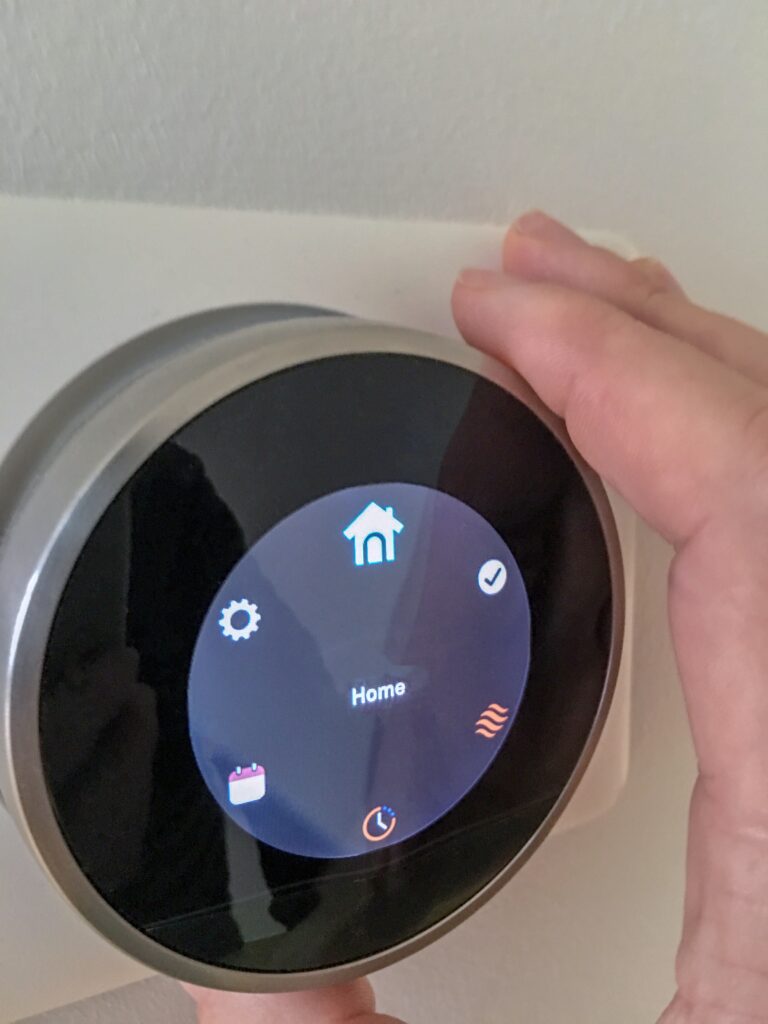
The ideal tool for this job, however, is a modern smart thermostat. These Wi-Fi-enabled devices offer an unparalleled level of control and peace of mind. Before you leave, you can easily set a vacation schedule through an app on your smartphone. While you are away, this app allows you to remotely monitor your home’s temperature and humidity levels from anywhere in the world. This means you can check in on your home during a heatwave and even receive alerts if the temperature rises above a certain level, which could indicate a system malfunction. Some homeowners even choose to begin cooling their home back down to their preferred comfort level on their way back from their trip, ensuring a cool welcome the moment they walk through the door.
A Breath of Fresh Air: Replace Your HVAC Filter Before Leaving
One of the simplest yet most important tasks to complete before you leave is to replace your HVAC system’s air filter. Your system will still be running periodically while you are gone, and you want to ensure it can do so as efficiently and safely as possible. The air filter is your system’s first line of defense, and a clogged filter can put the entire unit at risk.
A dirty filter severely restricts the airflow your system needs to function. This forces the blower motor to work much harder to pull air through, increasing energy consumption and putting unnecessary strain on the component. More critically, this lack of airflow over the indoor evaporator coil can cause its temperature to drop below freezing. This can lead to the coil becoming encased in a solid block of ice, which will completely stop the cooling process. If this happens while you are away, your system will shut down, and as the ice block melts, it can overflow the drain pan and cause significant water damage.
Before you head out, slide out your current filter and check its condition. If it is visibly gray or clogged with dust, it should be replaced with a new one. For summer use, a good quality pleated filter with a MERV rating between 8 and 11 is typically a great choice for residential use, as it provides excellent filtration without being overly restrictive to airflow. As an added step, you can take a moment to vacuum any dust that has accumulated on your home’s air vents and return grilles to further improve airflow before you lock the doors.
The Ultimate Peace of Mind: Schedule Preventive Maintenance Before You Go
While the steps above are excellent practices for any homeowner, the single best way to ensure your home is protected while you are away is to schedule a professional preventive maintenance visit before your trip. A pre-vacation tune-up is the ultimate insurance policy for your HVAC system, providing you with the confidence that your equipment is in peak condition to operate reliably while unattended.

During a professional tune-up, a technician from Hometown HVAC & Refrigeration will perform a comprehensive inspection and a series of services that go far beyond what a homeowner can do. Our experts will thoroughly clean the indoor and outdoor coils to ensure maximum efficiency and heat transfer. We will test all critical electrical components, like the capacitors and contactors, to make sure they are strong and not at risk of failing under stress. We will check the system’s refrigerant levels to verify they are correct, as low refrigerant can cause a system to freeze up.
Most importantly, we will inspect and clear the condensate drain line to prevent the clogs that lead to water damage. By having a professional verify that every component of your system is clean, calibrated, and in good working order, you can eliminate nearly all of the common causes of a mid-summer breakdown. This allows you to truly relax on your vacation, knowing that a trusted local expert has given your system a clean bill of health.
Locking in Efficiency: Final Steps Before You Leave
With your HVAC system properly set and serviced, there are a few final, simple steps you can take to help reduce its workload and further protect your home. Before you leave, walk through your house and close all your curtains, shades, and blinds. This simple action helps to block solar heat gain, preventing the sun from needlessly heating up your indoor spaces. This will reduce how often your air conditioner needs to cycle on, saving energy.
You should also do a quick check to ensure all your windows and doors are securely closed and locked. This not only enhances your home’s security but also prevents air leaks that could allow hot, humid outdoor air to infiltrate your home. It is also a good practice to turn off your ceiling fans. A common misconception is that fans cool a room; in reality, they cool people by creating a wind-chill effect. Running a fan in an empty room does nothing to lower the ambient temperature and only wastes electricity.
Preparing for a summer vacation involves more than just planning your itinerary; it also involves preparing your home for your absence. By taking a few proactive steps to ready your HVAC system, you can protect your property from damage, avoid wasteful energy consumption, and ensure you return to a safe and comfortable environment. A simple checklist that includes setting your thermostat to an energy-saving but protective temperature, installing a clean air filter, and clearing your outdoor unit can make a significant difference.
This preparation provides invaluable peace of mind, allowing you to fully enjoy your time away without worrying about what is happening back home. For the ultimate level of assurance, scheduling a professional maintenance visit is the best step you can take. We invite our neighbors in Hernando and the surrounding areas to contact Hometown HVAC & Refrigeration to book a pre-vacation system check. Our team is ready to ensure your system is prepared, so you can leave your worries behind.