The Unsettling Symphony of a Dripping Faucet: Why You Shouldn’t Ignore the Sound
The Unsettling Symphony of a Dripping Faucet: Why You Shouldn’t Ignore the Sound
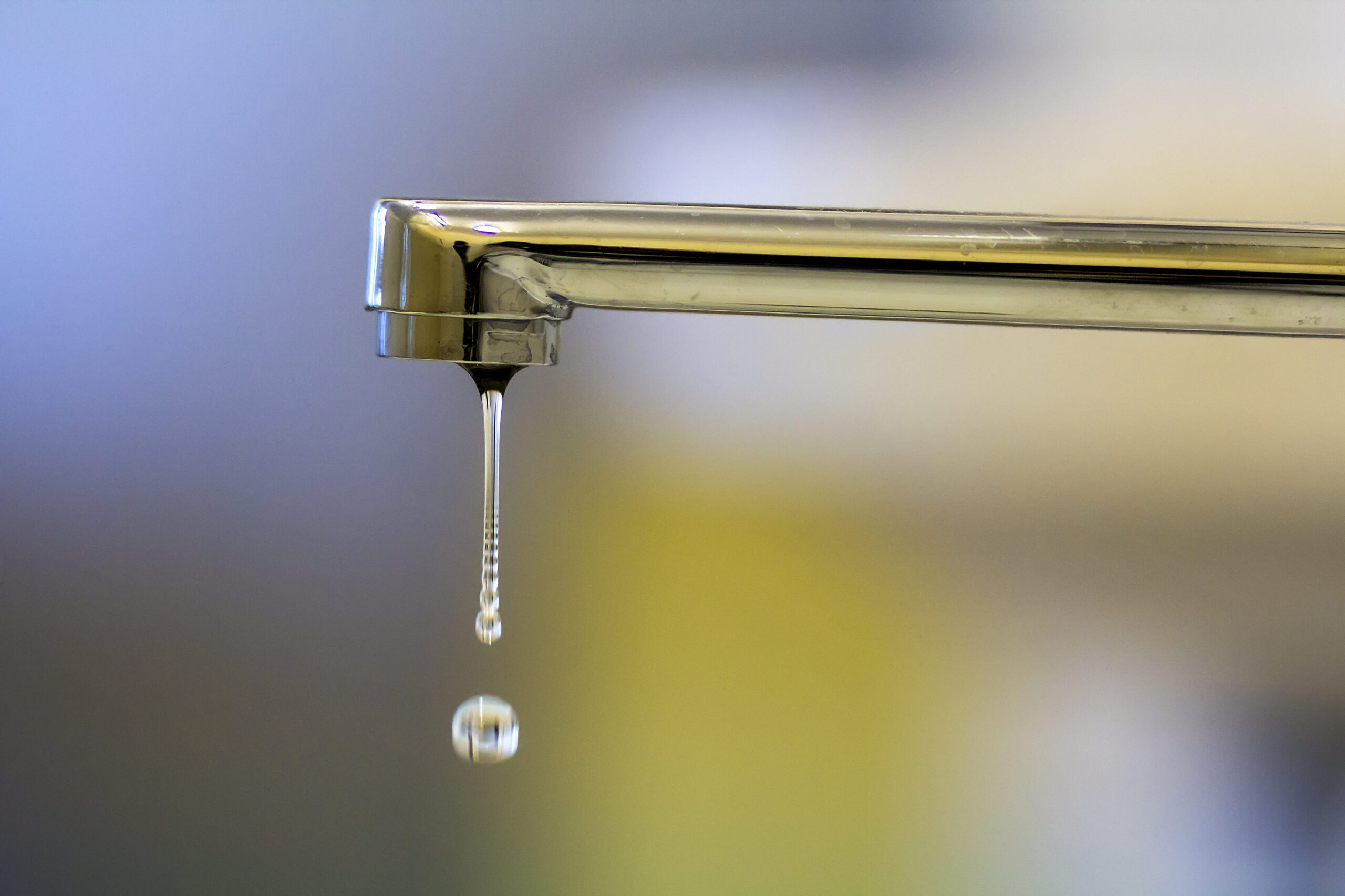
It’s a sound that can permeate the quietest moments, the steady, rhythmic drip, drip, drip from a kitchen or bathroom faucet. At first, it’s a minor annoyance, easily drowned out by the daily hustle. But in the silence of the night, it can transform into an maddening percussion that echoes through your home. This constant dripping is more than just a test of your patience; it’s a clear signal that something inside your faucet is failing. More importantly, it’s an audible reminder of a silent drain on your finances and a needless waste of a precious resource.
Many homeowners underestimate the impact of what seems like a tiny leak. A single faucet dripping at a rate of one drip per second can waste over 3,000 gallons of water in a year. That’s enough water for more than 180 showers. This isn’t just an environmental concern; it’s a tangible increase in your monthly water bill for water you never even used. The cause is almost always a small, inexpensive internal component that has reached the end of its life. Understanding the common causes of these pesky drips can help you recognize when a seemingly small issue warrants a call to the professionals at Hometown HVAC and Refrigeration to protect your home and your wallet.
The Prime Suspect: Worn-Out Internal Parts
The vast majority of faucet drips originate from the failure of a simple, wearable part inside the faucet assembly. Just like the tires on a car, these components are designed to withstand constant use, but they will inevitably wear out over time. The specific part at fault depends on the type of faucet you have in your home, as faucet technology has evolved significantly over the years. Identifying the type of faucet is the first step in diagnosing the source of the leak.
In many older homes, the classic compression faucet with two separate handles for hot and cold is still common. These faucets operate on a straightforward mechanical principle: when you turn the handle, a screw-based stem presses a rubber washer against a part called the valve seat, stopping the flow of water. The constant pressure and friction from this repeated action cause the rubber washer to harden, crack, or wear down. Once the washer loses its flexibility and integrity, it can no longer form a watertight seal against the valve seat, allowing water to seep past and create a persistent drip from the spout.

Modern homes are more likely to feature cartridge-style faucets, which can have one or two handles. These faucets use a self-contained, movable cartridge that controls the water flow. This cartridge often has rubber O-rings around its body that seal the connection between the cartridge and the faucet housing. Over time, these O-rings can become brittle or torn, allowing water to leak out around the base of the handle. If the drip is coming from the spout itself, the problem usually lies within the internal seals of the cartridge. While replacing an entire cartridge is a common repair, it’s a clear example of a small part causing a big annoyance.
A Deeper Problem: The Corroded Valve Seat
While a worn washer is a frequent offender in compression faucets, sometimes the problem lies with the surface it presses against the valve seat. The valve seat is a small metal ring that serves as the connection point between the faucet and the spout. For a drip-free seal, the surface of the valve seat must be perfectly smooth to allow the washer to make complete and even contact. However, over many years of use, this critical component can become a major source of leaks through the process of corrosion.
The water in your home, especially hard water common in many areas, contains dissolved minerals like calcium and magnesium. As water flows through the faucet, these minerals can slowly build up on the internal components, including the valve seat. This buildup, known as scale, can create a rough, uneven surface. The constant friction of water rushing past also contributes to the erosion of the metal over time. This corrosion effectively pits and damages the once-smooth surface of the valve seat.


Once the valve seat is corroded, it doesn’t matter how new or effective the washer is. The washer cannot create a proper seal against the now-pitted and irregular surface, allowing water to find a path through the imperfections. This is often the reason why a simple DIY washer replacement fails to fix a persistent drip. Repairing a corroded valve seat requires a special tool called a valve seat wrench to remove the old seat or a valve seat grinder to resurface it. This is a delicate process where a misstep can permanently damage the faucet body, highlighting a scenario where professional expertise is crucial.
A System-Wide Issue: The Force of High Water Pressure
Sometimes, the culprit behind a dripping faucet isn’t located within the faucet itself but is a problem with your home’s entire plumbing system. Your home’s plumbing is designed to operate within a specific range of water pressure, typically between 40 and 60 pounds per square inch (PSI). When the pressure entering your home from the municipal supply line is too high, it puts every pipe, fixture, and appliance under constant strain. Faucets are often one of the first places to show symptoms of this system-wide stress.
High water pressure acts like a relentless force trying to push water past any seal or gasket. The internal components of your faucet are engineered to hold back water at normal pressures. When the pressure exceeds their design limits, water can be forced past even new, perfectly functional washers and seals, resulting in drips. A key indicator of high water pressure is when you notice multiple faucets throughout your house starting to drip around the same time. You might also hear a hammering sound in your pipes, known as a water hammer, when you turn a faucet off quickly.

Ignoring high water pressure is a costly mistake that extends far beyond a few dripping faucets. This excessive force can lead to catastrophic failures in more critical areas, such as burst washing machine hoses, leaking toilet fill valves, and even damage to your water heater. If you suspect high pressure is the issue, it’s essential to have a professional plumber test your system. The solution is often the installation of a pressure-reducing valve (PRV) at the main water line, a device that safely regulates the pressure entering your home, protecting all of your fixtures and appliances from damaging force.
That persistent drip, drip, drip is your home’s way of telling you that a component needs attention. While some homeowners with the right tools and experience might feel comfortable undertaking a simple washer or O-ring replacement, many faucet issues are more complex than they appear on the surface. Misdiagnosing the problem or attempting a repair without the proper knowledge can easily make the situation worse, potentially leading to a stripped screw, a damaged faucet body, or even a leak that becomes a torrent.
Calling a professional plumber from Hometown HVAC and Refrigeration is the surest way to resolve the issue correctly and efficiently. Our experienced technicians can accurately diagnose the root cause of the drip, whether it’s a simple worn part, a corroded valve seat, or a system-wide pressure problem. We have the specialized tools and a wide inventory of replacement parts to handle any type of faucet, new or old.
Don’t let a minor annoyance escalate into a major headache and a drain on your finances. A professional repair not only silences the maddening drip but also conserves water, saves you money on your utility bills, and provides peace of mind knowing the job was done right. If you have a faucet that refuses to quit, let us provide a lasting solution. Schedule your professional consultation with our expert team today and restore the peace and quiet to your Hernando home.