Is It an Emergency? A Reference for After-Hours HVAC Calls
The air conditioner always seems to fail at the worst possible time. It is often late on a sweltering Mississippi night when the familiar hum of the system suddenly falls silent, replaced by the sound of chirping crickets and the feeling of steadily rising heat. The air becomes thick and still, and a sense of dread begins to set in. In that moment, every homeowner faces the same dilemma: is this problem serious enough to warrant an emergency, after-hours service call, or can it wait until morning? The hesitation is understandable. No one wants to incur emergency service fees for an issue that is not truly critical or feel like they are overreacting.
Knowing the difference between a genuine HVAC emergency and a standard service issue can provide immense peace of mind. It allows you to act decisively when immediate attention is required to protect your family’s safety or your property, and it also empowers you to confidently wait for normal business hours when the situation is not urgent. The decision to make that late night call ultimately hinges on two key factors: immediate risk to health and safety, and the potential for severe, costly property damage. Some situations are clear-cut emergencies that demand immediate action, while others, though uncomfortable, do not pose an imminent threat.
When to Call for Emergency Service Immediately
Certain symptoms are undeniable indicators of a serious problem that requires immediate professional attention. These are not situations to monitor or attempt to fix yourself. If you experience any of the following, your first priority should be to ensure your family’s safety and then call for emergency service without delay.


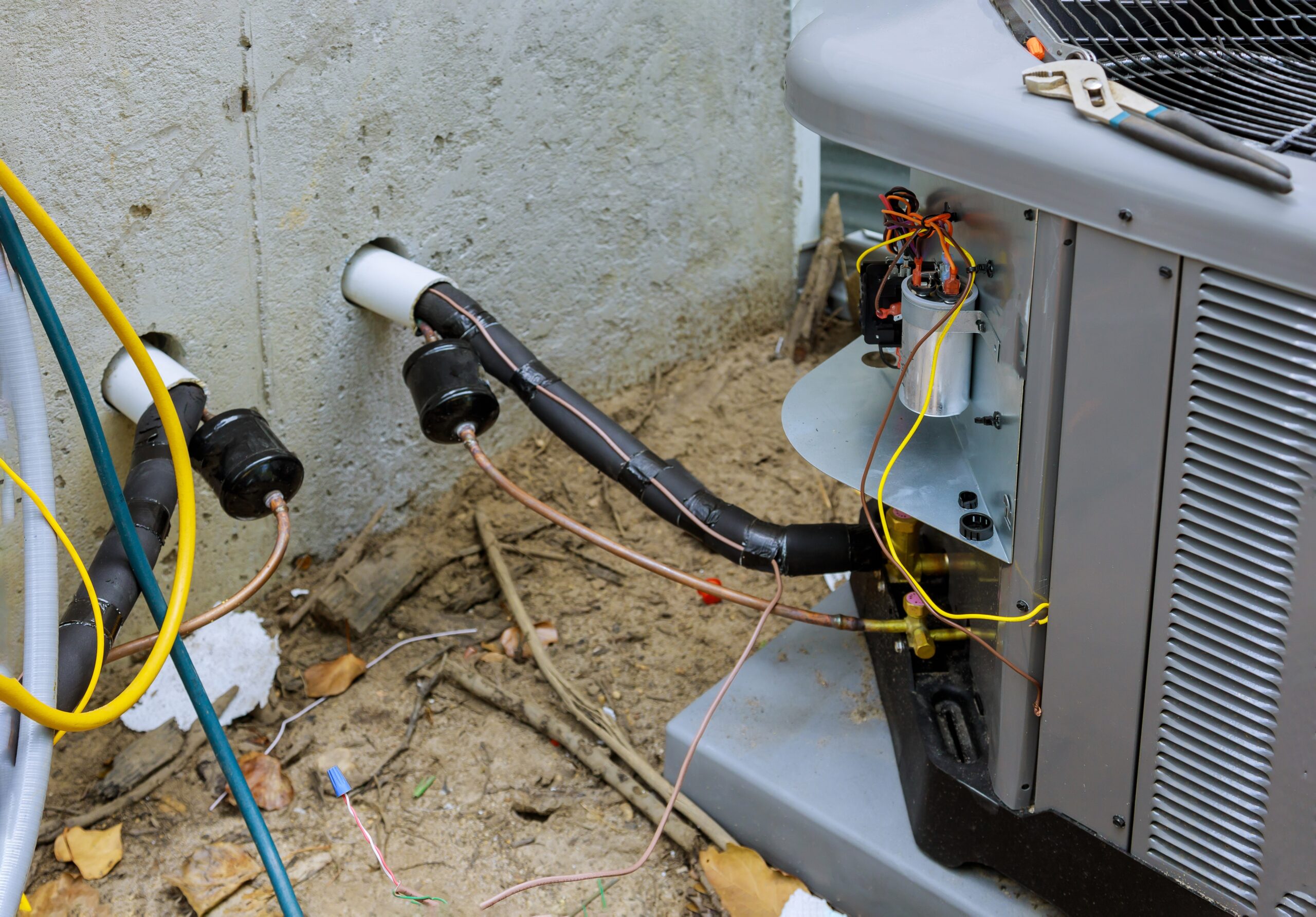
One of the most serious red flags is the presence of strong electrical or burning odors coming from your vents or the HVAC unit itself. A sharp, acrid smell of burning plastic or ozone can indicate that a motor is overheating and on the verge of failure, that wires are melting, or that a control board is shorting out. This is a significant fire hazard. Should you notice these smells, your first action is to go to your home’s circuit breaker panel and shut off all power to the HVAC system. Once the power is cut, call for emergency service. Do not turn the system back on until it has been inspected and cleared by a qualified technician.
Loud, violent, and unusual mechanical noises are another clear signal of a critical failure. Your system has a normal operating sound, but you should be concerned by any sudden, jarring noises. A loud banging, clanking, or metallic crashing sound could mean a part inside the compressor, like a piston or connecting rod, has broken loose. A high pitched, piercing screech or a metal on metal grinding noise often indicates a motor’s bearings have completely failed. Continuing to operate the unit when it is making these sounds can cause a chain reaction of destruction, potentially turning what might have been a repairable issue into a complete system replacement. Just as with electrical smells, shut the entire system down at the breaker and call for help.
A complete loss of cooling during a period of extreme heat is also a valid emergency. During a Hernando heatwave, when outdoor temperatures are soaring into the high nineties or beyond, indoor temperatures can rise to unsafe levels very quickly. For households with vulnerable individuals, such as infants, elderly family members, or those with chronic health conditions, this situation poses a direct risk to their well being. In this context, a functioning air conditioner is not a luxury, it is a crucial piece of health and safety equipment. Do not hesitate to call for emergency service to protect the health of your loved ones.
Situations That Feel Urgent But Can Often Wait
Not every HVAC problem, even if it leaves you uncomfortable, constitutes a late night emergency. Some issues, while certainly inconvenient, do not pose an immediate threat to your safety or property and can typically be addressed during normal business hours the following day.
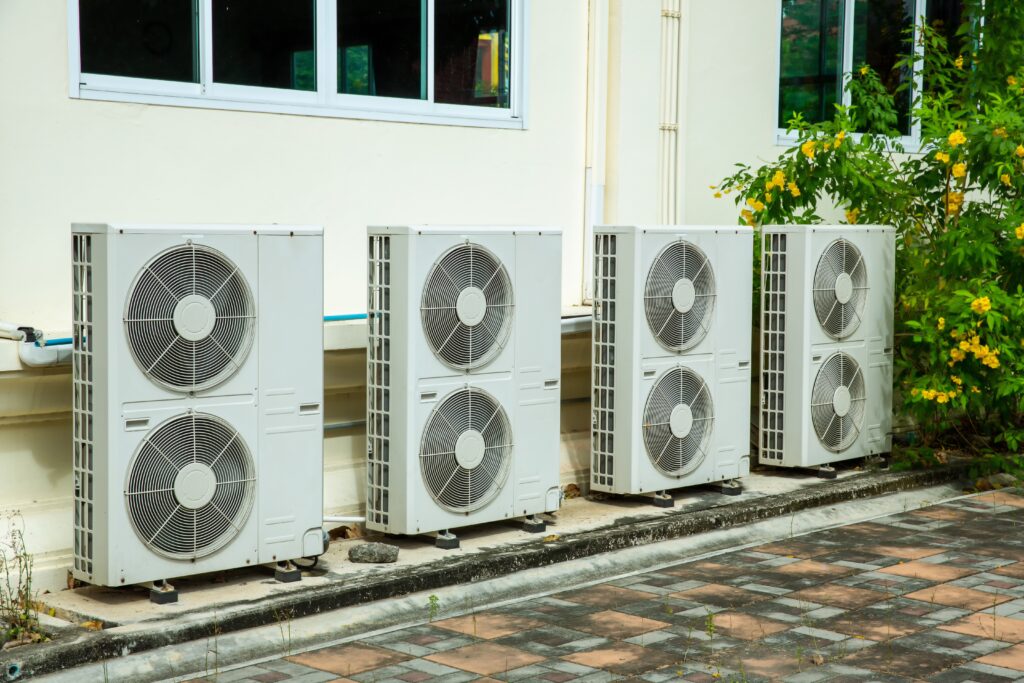
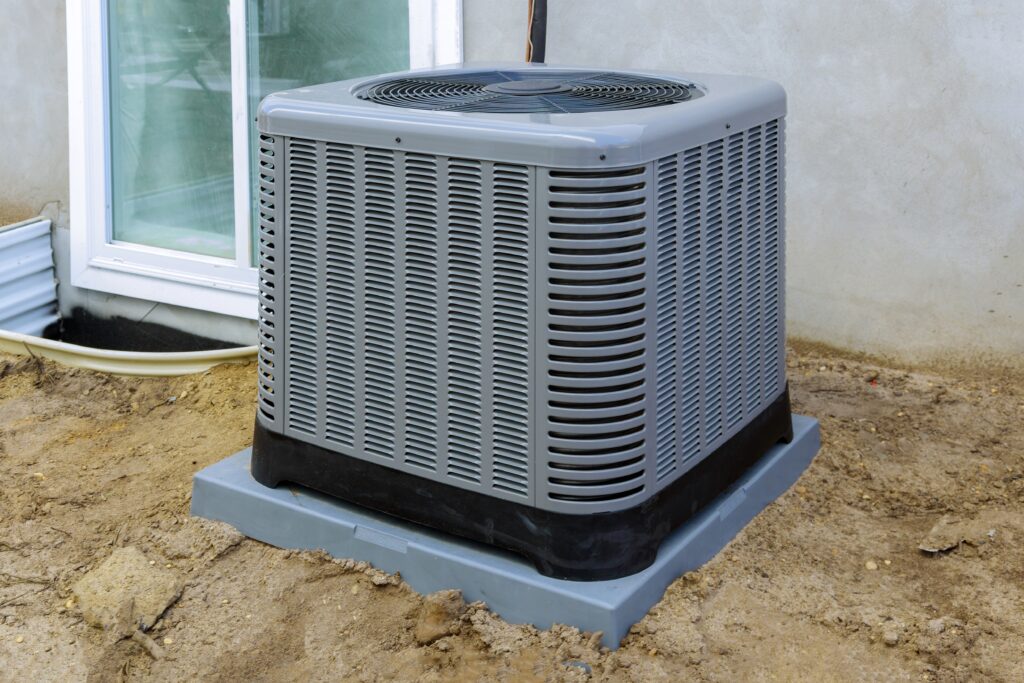
One of the most common issues is simply reduced cooling or poor airflow. You might notice that your system is running constantly but is struggling to keep up with the outdoor heat, or that the air coming from your vents feels weak. In many cases, this is caused by a severely clogged air filter that is choking off the system’s airflow, or by a very dirty outdoor condenser unit that cannot effectively release heat. While this needs to be fixed to restore efficiency and comfort, it is not an immediate danger. As a first step, you can check your air filter. If it is visibly clogged with dust and dirt, replacing it might even solve the problem.
Discovering that your indoor or outdoor unit is a solid block of ice is another alarming but often non-emergency situation. This freezing is typically a symptom of the airflow problem mentioned above or a sign that the system is low on refrigerant. While it looks dramatic, a technician cannot properly diagnose or service the unit while it is frozen. The correct immediate action is to turn the air conditioning off at your thermostat but leave the fan set to “On.” This will circulate air over the ice and allow it to thaw safely. Letting it thaw overnight is often a necessary first step before a technician can accurately find the root cause the next day.
A small puddle of water found near your indoor unit is another frequent service call. This is almost always caused by a clog in the condensate drain line, which prevents humidity pulled from the air from draining away properly. While this needs to be addressed promptly to prevent the possibility of water damage or mold growth, a small, contained puddle that is not actively spreading or damaging your floor or ceiling can typically wait for a standard service appointment.
Understanding Your Furnace in an Emergency
While our primary concern in Mississippi is often cooling, furnace emergencies during the winter months are just as serious. If you have a gas furnace, the most critical emergency signal is the smell of gas, which is similar to rotten eggs or sulfur. This odor is an additive called mercaptan, which is put into natural gas to make leaks detectable. If you smell gas in your home, do not operate any light switches, unplug any devices, or use your phone inside the house. Immediately evacuate everyone from the home. From a safe distance outside, call your gas utility’s emergency line first, then call your HVAC professional.

A complete loss of heat during a cold snap, especially when temperatures are predicted to drop below freezing, can also be an emergency. While our winters are generally mild, a lack of heat during a freeze can lead to a much more damaging problem: frozen and burst pipes. The cost and mess of repairing major water damage from a burst pipe is far greater than the cost of an after hours service call. If your furnace fails during freezing weather, it is wise to treat it as an emergency to protect your home’s plumbing. Similarly, if your carbon monoxide detector sounds an alarm, treat it as a real event. Evacuate the home, call 911 for the fire department to clear the space, and then schedule an emergency inspection of your furnace and flue system.
The decision to call for emergency service after hours is a judgment call that every homeowner may have to make. The most important factors to consider are always the immediate safety of your family and the potential for severe damage to your home. If you smell burning plastic or gas, if you hear violent, grinding noises from your system, or if you lose all cooling or heating during extreme weather, you should never hesitate to make the call.
At Hometown HVAC and Refrigeration, we understand that these situations are stressful and disruptive. Our team is here to provide the support and expert service our neighbors in the Hernando area need, whenever they need it. We want you to feel confident in your decision to call, knowing that if you believe your family or property is at risk, we believe it too. If you are experiencing an HVAC emergency, please contact us for prompt, professional service.