Articles
Stay informed with expert insights on HVAC, water heating maintenance, and refrigeration. From seasonal maintenance tips to energy-saving advice, our blog is here to help homeowners and business owners across Hernando make smarter decisions year-round.
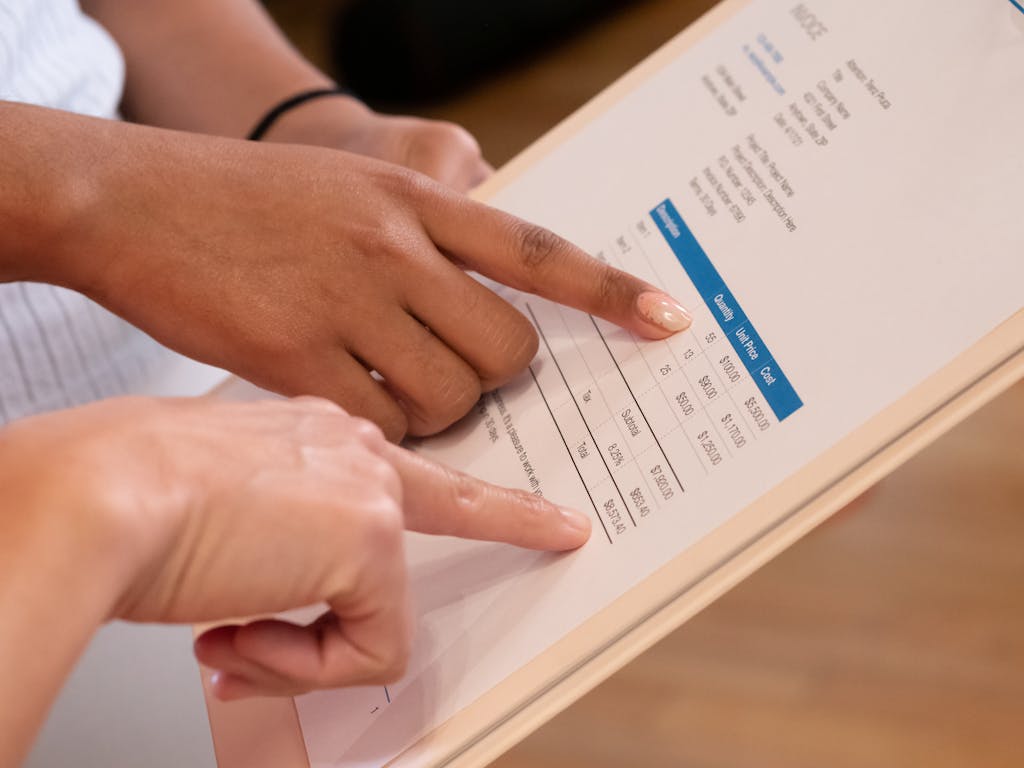
The Real Cost of Ignoring Small HVAC Repairs
It is a common scenario for a homeowner in Olive Branch. You hear a new, faint noise coming from your air conditioner. Perhaps it is a slight squeal when it kicks on, or a a small puddle of water appears near the indoor unit. The system still works. The air…

Top Questions to Ask Before Installing a New Water Heater
Hot water is a fundamental part of modern life in Olive Branch. We rely on it for cleaning, cooking, and personal comfort. It operates in the background of our daily routines, completely unnoticed until the moment it fails. When you are suddenly faced with a cold shower, the urgency to…

How to Prepare Your Plumbing for Winter Weather
The arrival of fall in North Mississippi is a welcome and beautiful season. The intense humidity of summer gives way to crisp, pleasant air, and we begin to enjoy the cozy comforts of home. But this beautiful transition is also a clear and urgent signal that winter is on its…
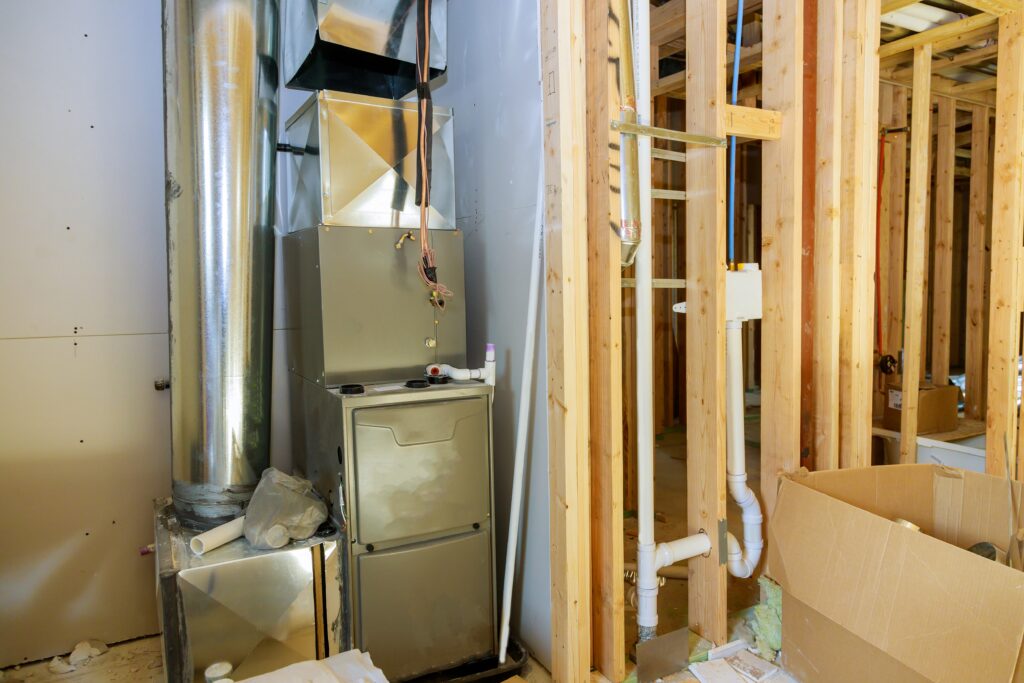
How to Tell If Your Furnace Is the Right Size for Your Home
When it comes to home heating, there is a common and deeply ingrained assumption that bigger is always better. It seems to make intuitive sense that a more powerful furnace would be able to heat a home faster, more effectively, and with less effort than a smaller model. This belief…

How to Reduce Mold Growth with Proper HVAC Humidity Control
There are few discoveries more unsettling for a homeowner than finding mold. Whether it is the unmistakable musty odor in a basement or closet, or the sight of dark, speckled spots appearing on a ceiling or wall, mold triggers an immediate concern for our family’s health and the value of…

Plumbing Red Flags You Should Never Ignore
Your home’s plumbing system is its circulatory system, a complex and hidden network of pipes that works silently and tirelessly behind the walls and beneath the floors. It is an essential system that we rely on for our health, hygiene, and daily comfort. Because it operates mostly out of sight,…

3 Signs Your Ice Maker Needs More Than a Quick Fix
An automatic ice maker is one of the most convenient and frequently used features of a modern refrigerator. It provides a constant and effortless supply of fresh ice, a small luxury that quickly becomes an essential part of our daily lives, especially during a hot and humid Mississippi summer. When…

Top 5 Reasons to Schedule Annual Heat Pump Maintenance
In the unique four-season climate of North Mississippi, a heat pump is a true workhorse. It is the single, versatile system responsible for providing a cool, dehumidified escape from the oppressive humidity of an Olive Branch summer, and it is the same system we rely on for consistent, cozy warmth…

5 Common Plumbing Mistakes That Are Costing You Money
Your home’s plumbing system is a complex and essential network that works tirelessly behind the scenes. It provides the clean water we need for cooking, cleaning, and sanitation, and it safely carries away waste. Because it operates so reliably most of the time, it is easy to take it for…
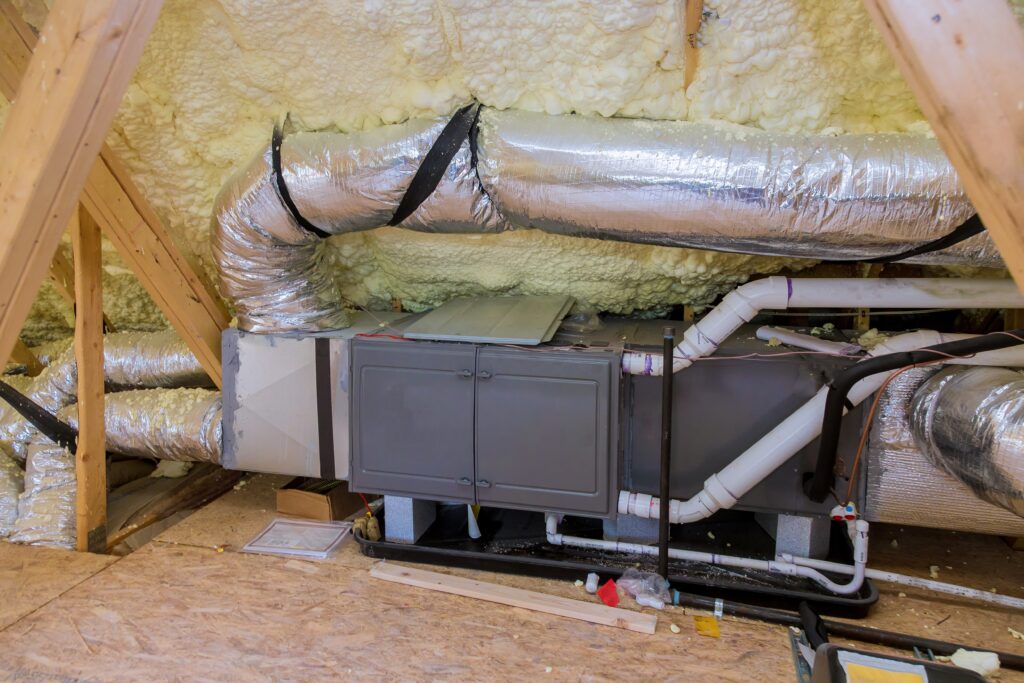
A Year-Round Guide to Lowering Your Heating and Cooling Costs
Living in the Mid-South means experiencing a full range of weather, from the long, hot, and humid days of summer to the surprisingly chilly snaps of winter. Throughout it all, your home’s heating, ventilation, and air conditioning (HVAC) system is the essential workhorse that keeps your family comfortable and safe…

Why Regular HVAC Filter Changes are Critical for Your Home
Your home’s heating, ventilation, and air conditioning (HVAC) system can be thought of as the lungs of your home. It works continuously in the background, breathing air in and out to keep your living spaces comfortable year-round. At the very entry point of this respiratory system lies a simple, inexpensive,…

Debunking 4 Common Plumbing Myths That Could Be Costing You Money
When it comes to your home’s plumbing, there is a great deal of “common knowledge” that gets passed down from generation to generation or shared online. While often well-intentioned, much of this advice is based on outdated information or simple misunderstandings of how a modern plumbing system actually works. Believing…

Walk-In Cooler vs. Freezer: A Guide for Businesses
In the fast-paced world of the foodservice, hospitality, and retail industries, few assets are more critical than your commercial refrigeration system. Proper cold storage is the backbone of your operation, directly impacting the quality of your products, the safety of your customers, and the health of your bottom line. When…

Saving Smartly: 5 Ways to Conserve Water in Your Hernando Home Without Sacrificing Comfort
For many homeowners in Hernando, a surprisingly high water bill can be a source of frustration and confusion. We often associate our utility costs with major appliances like our air conditioner, but the amount of water our households consume every day can have a significant impact on our monthly budget…

How to Prepare Your HVAC System Before Leaving for Summer Vacation
The excitement of an approaching summer vacation is a feeling like no other. As you finalize your travel plans and pack your bags, your focus is on the relaxation and adventure that lies ahead. In the rush to get away, it is easy to overlook the needs of the one…

The Unsettling Symphony of a Dripping Faucet: Why You Shouldn’t Ignore the Sound
The Unsettling Symphony of a Dripping Faucet: Why You Shouldn’t Ignore the SoundIt’s a sound that can permeate the quietest moments, the steady, rhythmic drip, drip, drip from a kitchen or bathroom faucet. At first, it’s a minor annoyance, easily drowned out by the daily hustle. But in the silence…

Is It an Emergency? A Reference for After-Hours HVAC Calls
The air conditioner always seems to fail at the worst possible time. It is often late on a sweltering Mississippi night when the familiar hum of the system suddenly falls silent, replaced by the sound of chirping crickets and the feeling of steadily rising heat. The air becomes thick and…

7 Silent Signs You Have a Hidden Water Leak in Your Home
A hidden water leak is one of the most deceptive and potentially destructive problems a homeowner can face. Unlike a burst pipe that immediately announces itself, a hidden leak works silently behind walls, under floors, or beneath your home’s foundation. While out of sight, it is never out of mind…

Refrigeration Solutions for New Restaurants
Opening a new restaurant is an exhilarating venture, filled with dreams of crafting unique culinary experiences and building a loyal following. As you map out your menu, design your dining space, and assemble your team, one of the most critical foundational decisions you will make is the selection and installation…
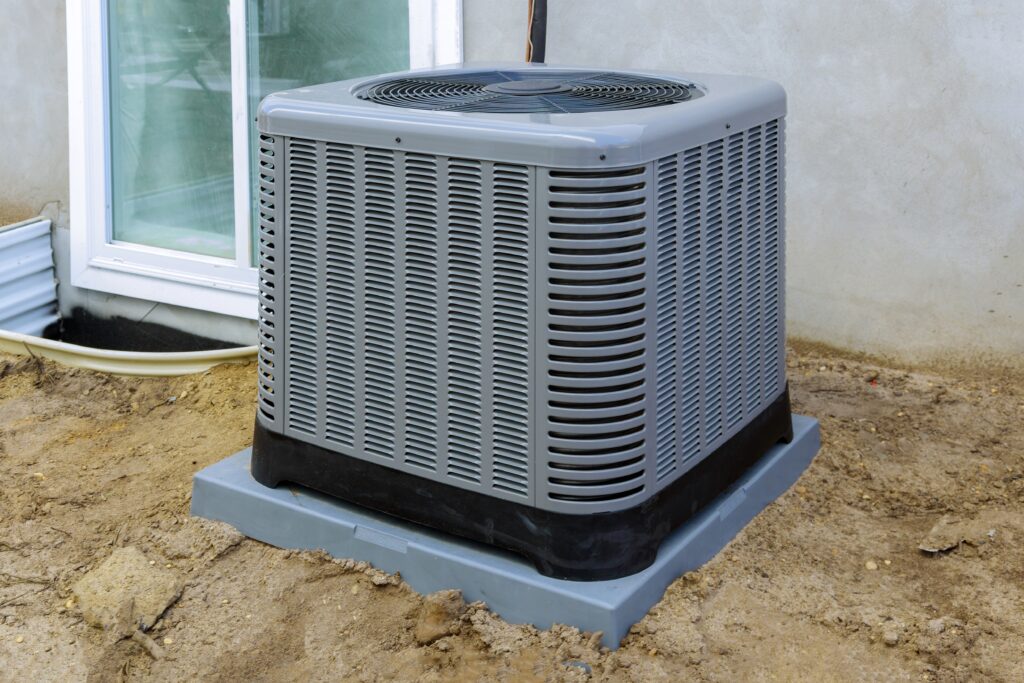
Heat Pump vs. Air Conditioner: A Technical Guide
When the time comes to install or replace the cooling system in a home here in Hernando, DeSoto County, or the surrounding Mississippi communities, homeowners are faced with a primary decision: selecting the right type of equipment for the job. The two main options for centralized cooling are the traditional…

Tank vs. Tankless: Which Water Heater is Right for You?
Choosing a new water heater is a significant decision for any homeowner. It’s an appliance we rely on daily, and the right choice can impact your comfort, energy bills, and even your home’s layout. Here at Hometown HVAC and Refrigeration, we often get questions about the two main contenders: traditional…

Beat the Heat: Essential HVAC Preparation for the Coming Summer
Beat the Heat: Essential HVAC Preparation for the Coming Summer The Mississippi sun is beginning to show its strength, signaling that summer in Hernando is rapidly approaching. Before the peak temperatures and humidity arrive, it’s crucial to consider if your HVAC system is prepared for the increased demand. At Hometown…

5 Causes of Low Water Pressure in Your Home
Low water pressure is more than just a minor annoyance; it can significantly disrupt your daily life, turning simple tasks like showering into a frustrating trickle and making household chores take far longer than they should. If you’re contending with this problem in your Hernando residence, understanding the potential culprits is the essential…

When to Call for an Emergency Repair: HVAC, Refrigeration, and Water Heaters
The essential systems that keep our homes and businesses running, like HVAC, refrigeration, and water heaters, often work so reliably that we take them for granted. That is, until they fail. When a critical system breaks down, it is more than just an inconvenience; it can quickly escalate into a…

5 Ways to Reduce HVAC Energy Costs
Tired of high energy bills every season? You’re not alone. High energy bills are common for homeowners in Hernando, especially during the hottest and coldest months when HVAC systems work harder to keep up with demand. Many homes in the area are equipped with older units, leaky ductwork, or outdated…

Heat Pump vs. Furnace: What’s Best for Homeowners?
Choosing the right heating system is a major decision for homeowners in Hernando, MS. With winters that are mild but still require reliable heat, it’s important to install a system that balances comfort, efficiency, and cost. Two of the most common options are heat pumps and furnaces, each offering unique…

Common Walk-In Cooler Problems and How to Prevent Them
Walk-in coolers play a critical role in keeping food and perishable goods safe, especially in restaurants, grocery stores, and commercial kitchens. When a cooler malfunctions, it can result in spoiled inventory, food safety violations, and expensive emergency repairs. Even minor issues like temperature fluctuations or ice buildup can lead to…
Let’s Solve It Together
If you’ve got a system issue or want to schedule service, don’t wait. Contact Hometown HVAC & Refrigeration in Hernando for dependable, no-pressure support.